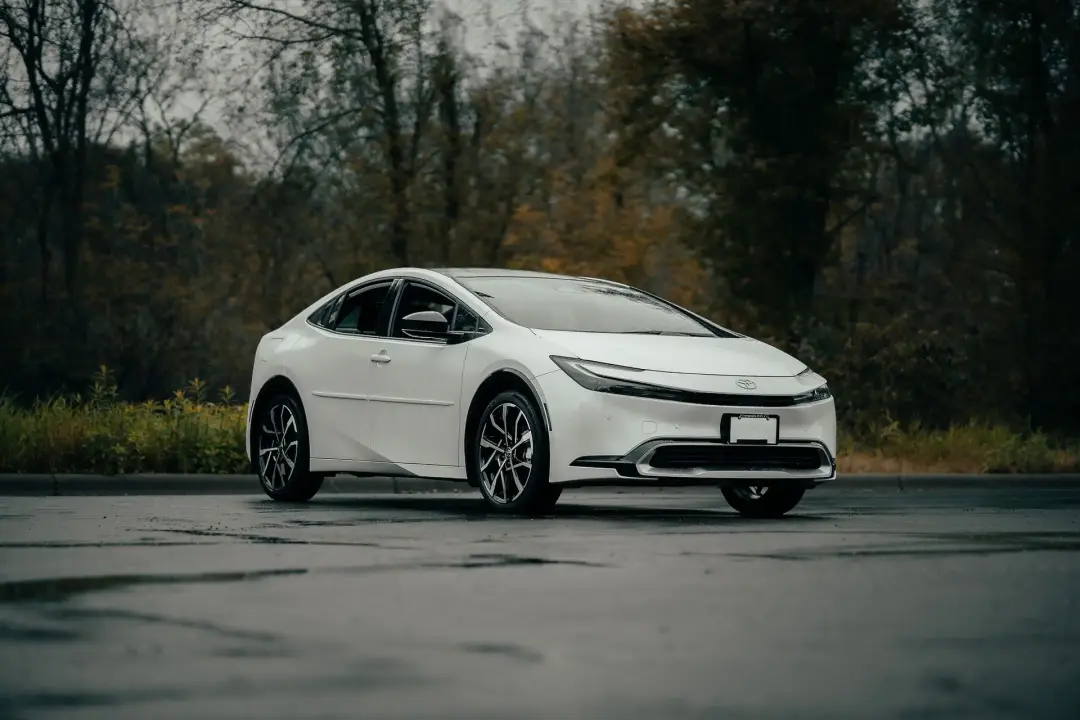
Are hybrid cars suitable for dual control fitting? Discover how custom systems can enhance driver training while maintaining vehicle safety and performance.
Can Dual Controls Be Fitted to a Hybrid Car?
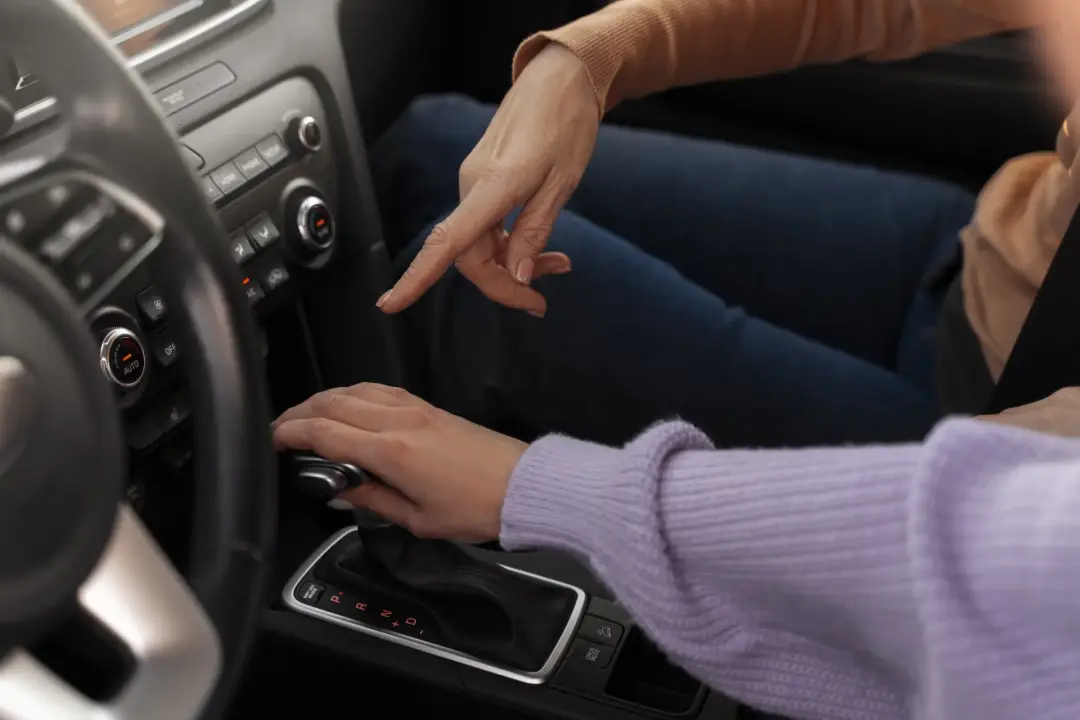
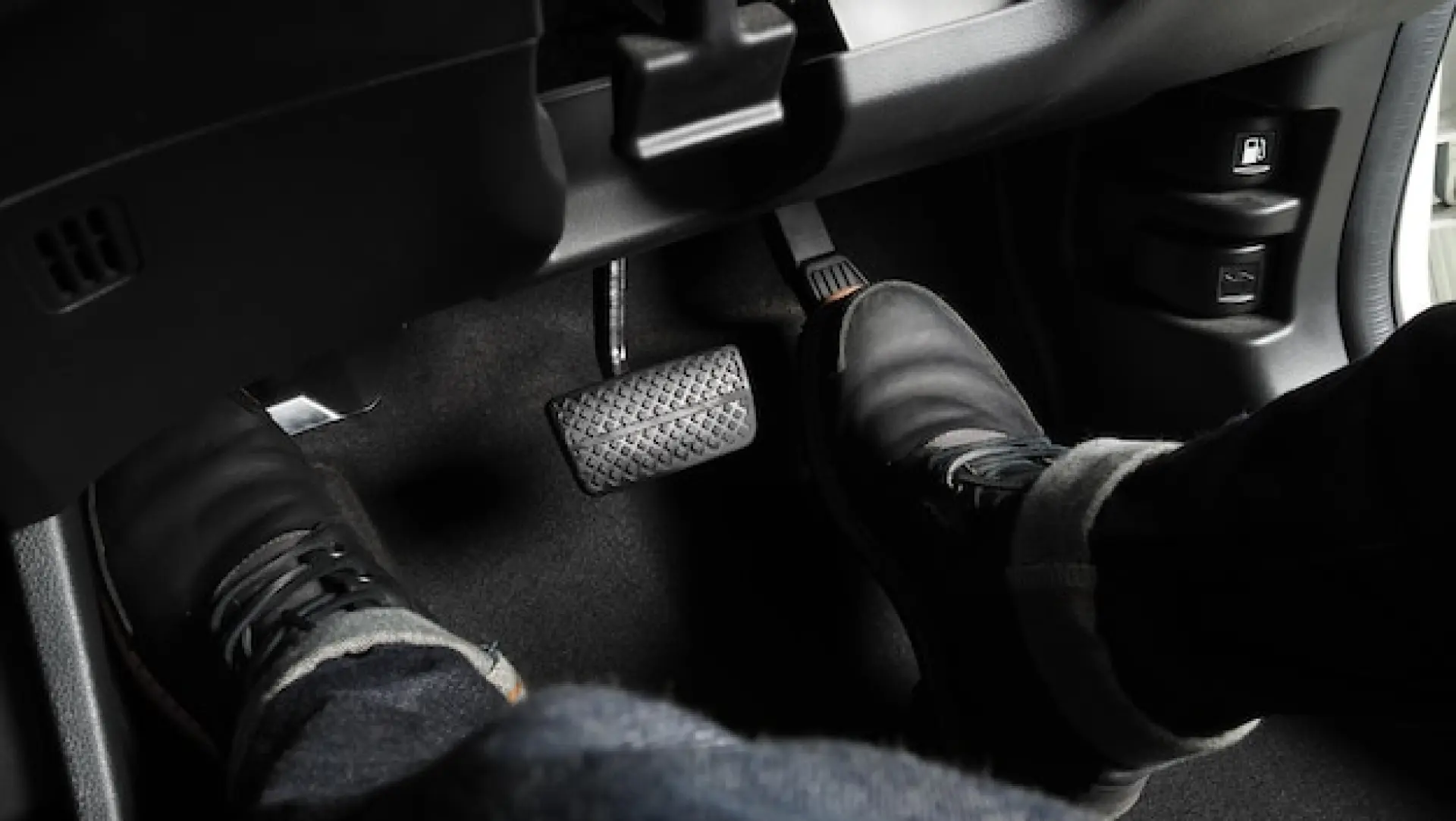
Most hybrids sold for ordinary road use have an automatic transmission. They therefore usually require an instructor brake without an additional clutch pedal. The second brake is installed in the front passenger footwell and connected to the vehicle’s original brake pedal.
The fitter must first confirm that there is enough space for a safe system. Hybrid cars may contain battery parts, wiring, ventilation channels, heating equipment or electronic units beneath the seats, centre console or floor. These areas must not be drilled into or used as mounting points without clear approval.
The original brake pedal must also be suitable for a mechanical link. The connection needs to work without blocking the pedal, changing its normal rest position or affecting its full travel. A system may be readily available for a popular tuition car, while a less common hybrid may require an adapted solution or may not be suitable.
UK specialists advertise fitting for hybrids, plug-in hybrids and electric cars, including adapted systems when a standard product is unavailable. However, the installer should still assess each vehicle separately.
Read Related Articles:
Can Dual Controls Be Fitted to an Electric Car?
How Dual Controls Work in an Automatic Car
How Dual Controls Work in Hybrid Vehicles
Hybrid braking can involve two processes. The electric motor may recover energy and help slow the car, while ordinary friction brakes provide additional stopping force. The vehicle’s electronic systems decide how to combine these processes according to speed, battery condition and the amount of braking requested.
The dual control does not usually operate the engine, electric motor or battery directly. Its role is to move the original brake pedal. This means the car’s standard braking controls remain responsible for brake lights, energy recovery, hydraulic braking and electronic safety support. When the instructor applies light pressure, the vehicle may use a large amount of regenerative braking.
When stronger or faster braking is needed, the normal friction brakes should provide the required stopping force. The exact feel can change as the car moves between these methods, which is why the control must be adjusted and road-tested carefully.
Both the learner and instructor must be able to press their pedals independently. If they press at the same time, the linkage should allow the vehicle to receive the strongest required brake input without jamming.
Are Hybrid Car Dual Controls Different From Standard Systems?
Hybrid car controls have the same main purpose as systems in ordinary petrol or diesel cars. They give the instructor a second way to operate the brake. The differences usually relate to available space, pedal design and the vehicle’s combined braking behaviour.
Many hybrid cars have batteries beneath the rear seats or luggage area, but some equipment may extend beneath the cabin floor. There may also be extra wiring, cooling channels and control units. The installer must understand where these parts are located before choosing mounting points or routing the linkage.
Hybrid brake pedals may be connected to systems that blend regenerative and friction braking. This can produce a different pedal feel from a simple hydraulic system. The instructor brake still works by moving the original pedal, but the fitter must ensure that its travel produces a clear and useful response.
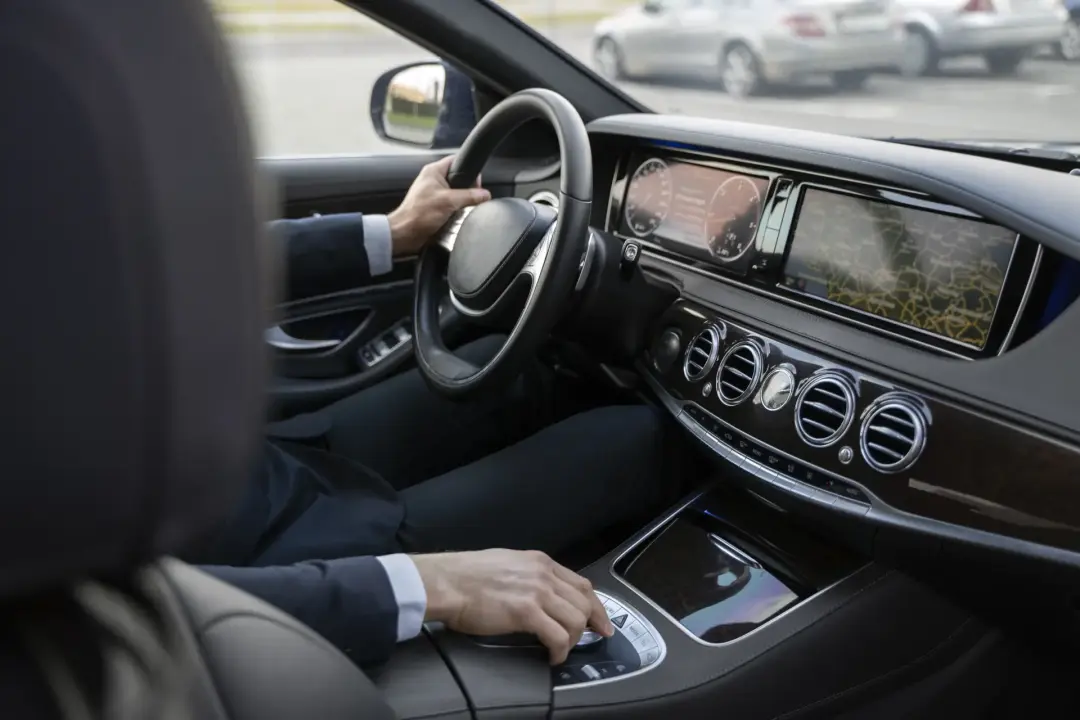
Some hybrid models have a ready-made vehicle-specific system. Others may need an adapted or general-purpose control.
A product designed for the exact car is often easier to fit neatly because its brackets and movement have been planned around that model.
He-Man states that its products are designed for individual vehicles, while another supplier offers systems for automatic and manual vehicles across many vehicle types.
The system should never be selected simply because it was removed from another hybrid. Small changes to a pedal assembly or floor can make it unsuitable. Compatibility must be checked using the exact vehicle details and fitting instructions.
Which Hybrid Cars Are Suitable for Dual Control Fitting?
The exact version matters. A standard hybrid and a plug-in version of the same model may have different floor layouts. A later update can also change the pedal unit, centre console or equipment behind the lower dashboard. The fitter should therefore check the full model name, year, transmission and body type.
The driver’s brake pedal must offer a secure connection point. The link must move it through an effective range without affecting normal use. The passenger side needs room for the instructor’s pedal and its mounting frame. There must also be a safe route between the two sides of the cabin.
Vehicles with very narrow footwells, unusually shaped floors or important equipment in the fitting area can present difficulties. A large cabin does not guarantee suitability because the hidden structure may not support a control safely.
Ask the fitter whether they have completed the same model before. Evidence of previous fitting can be helpful, although each car should still be inspected for differences, damage or added equipment.
What Type of Dual Controls Does a Hybrid Car Need?
A model-specific rodded system may be selected when it is available for the exact vehicle. Rigid rods can provide direct movement, but their route and joints must be designed carefully. Other systems may use high-quality cables or a combination of parts. The best design is the one that has been approved for the car and fitted according to its instructions.
Some instructors may ask about an additional accelerator. This is not normally needed for standard learner tuition. Adding unnecessary pedals can reduce footwell space and increase complexity. An extra control should only be installed where there is a clear requirement and an appropriate system.
The proposed unit must suit the car’s pedal movement and structure. It should include the correct brackets, springs, fixings and connecting pieces. A fitter should not create an arrangement from unrelated used parts without full technical support.
Second-hand or refurbished controls may be acceptable when they are designed for the model and have been properly inspected. Worn joints, stretched cables or missing brackets must be replaced rather than reused.
The installer should provide the product name, vehicle application and guarantee details in writing. Established manufacturers warn that controls are designed for the specific vehicle shown on the order documents.
How the Fitting Process Works
The fitter first checks the hybrid’s identity and inspects both front footwells. They confirm the pedal design, available space and location of hidden equipment. A suitable control is then selected or, where appropriate, an adapted plan is prepared.
Trim panels, carpet edges and lower dashboard covers may be removed to expose safe fixing areas. This work must be completed carefully because clips, wiring and sensors may be close to the surface. The installer should identify any restricted areas before drilling or securing brackets.
The instructor pedal and mounting frame are positioned on the passenger side. Its location must allow quick use without causing accidental pressure during normal sitting. The frame must remain stable when significant force is applied.

A mechanical connection is then routed to the driver’s brake pedal. Rods, cables and joints are placed so that they do not rub against the centre console, wiring or moving parts. The driver must retain comfortable access to the original brake and accelerator.
Once connected, the system is adjusted. The instructor should not have to press the pedal an unreasonable distance before braking begins. At the same time, the linkage must allow the original pedal to return fully.
Removed trim is replaced or finished neatly, and all working areas are cleared. Stationary tests check movement, return and brake lights. A controlled driving test then confirms that the hybrid’s regenerative and ordinary braking respond correctly. The completed system should be explained to the instructor before the vehicle is released.
Why Specialist Installation Is Important
Specialist installers know how to choose a system that produces suitable pedal movement. They can recognise when a bracket is secure, when a connection angle is poor and when the passenger pedal may become obstructed during everyday use.
Incorrect fitting can create gradual problems as well as immediate faults. A cable may rub until it weakens, a fixing may loosen or a rod may touch trim only when the pedal is pressed firmly. A small adjustment error can stop the original brake from returning fully, leading to heat and brake wear.
An experienced fitter should also understand how the hybrid feels when braking changes between energy recovery and friction braking. They can check whether the instructor receives a clear response at different speeds and levels of pressure.
Product support is another important point. Approved fitters may have access to current fitting instructions, replacement parts and technical help. Some supplier guarantees depend on installation by an approved person. He-Man describes correct installation as critical and provides a UK network of approved installers.
Can Dual Control Fitting Affect the Vehicle Warranty?
A manufacturer may question a claim involving damaged wiring, a modified floor section, pedal parts or trim affected by the fitting. The same may apply if a control prevents the brake from releasing and causes related wear. Correct installation and clear records can reduce the risk of disagreement.
Contact the vehicle manufacturer or warranty company before fitting. Describe the planned mechanical brake control and ask whether any approved method, installer or location is required. Obtain the answer in writing where possible.
The supplying dealer may also need to be told, particularly when the car is leased, financed or covered by a service agreement. The finance provider may have separate rules about alterations and the condition expected when the vehicle is returned.
Keep the control manufacturer’s documents, fitter’s invoice and any installation certificate. Photographs taken during or immediately after fitting may also help show that sensitive areas were avoided.
The dual control’s own warranty is separate from the vehicle warranty. It may cover the equipment and fitting but exclude misuse, wear or unauthorised changes. He-Man states that its extended guarantee depends on approved installation and appropriate maintenance.
Are Dual Controls Safe in Hybrid Cars?
The system must operate the original brake reliably. This allows the hybrid to use its normal balance of regenerative and friction braking. The instructor should experience a predictable response, even though the pedal feel may differ slightly as the vehicle changes between braking methods.
Safety depends on full pedal return. If the linkage holds the original brake partly down, the car may experience brake wear, reduced efficiency or warning messages. The instructor should check both pedals at the start of each day.
The pedal area must stay clear. Hybrid teaching cars often carry charging equipment, cleaning items or lesson materials, but none of these should be stored around the front footwells. Secure mats should be used, and their shape must not interfere with the second pedal.

The control must also remain secure during emergency use. A light bracket that feels acceptable during gentle testing may fail when the instructor presses hard. This is why strong mounting points and firm road testing are essential.
Dual controls do not remove the instructor’s responsibility to observe, plan and communicate. The instructor should intervene early where possible and use the brake only when required. Safe equipment and skilled instruction work together rather than replacing one another.
How Long Does Hybrid Car Dual Control Fitting Take?
Published fitting information from one UK installer gives an approximate fitting time of two to three hours, depending on the vehicle. Other services report shorter times for familiar workshop jobs. These estimates should be treated as general guidance rather than a guaranteed completion time.
The process can take longer if lower dashboard panels are difficult to remove, hidden equipment limits the planned route or additional brackets need to be prepared. A plug-in hybrid may also have a different internal layout from the standard version.
Testing adds necessary time. The fitter should not only confirm that the passenger pedal moves. They must check the learner’s pedal, brake lights, return movement, clearances and actual braking response. A careful road test is particularly useful in a hybrid because braking behaviour can change according to speed and battery condition.
Prepare the vehicle by emptying both front footwells and removing unnecessary belongings. Tell the fitter about any previous work, added wiring or interior changes that could affect access.
How Much Does It Cost to Fit Dual Controls to a Hybrid Car?
Current advertised UK examples show new controls supplied and fitted from about £300, with some model-specific systems listed from around £500. Refurbished controls may start lower when suitable stock is available. Fitting alone may be advertised from about £105 to £150, but this assumes the owner already has the correct complete system.
These amounts should not be treated as a fixed national price. Travel, mobile fitting, regional labour rates, added brackets and difficult access can change the total. An uncommon hybrid may require additional planning or parts.
A written quotation should explain whether it includes the control, fitting, adjustments, road testing, travel and tax. It should also state whether the unit is new, refurbished or adapted. Ask what guarantee applies to the equipment and work before making any major decisions.
Look closely the cost of removal or transfer as well. A cheaper fixed system may be less useful if it cannot move to the instructor’s next car.
What Checks Are Needed After Installation?
Before the hybrid is used for lessons, both brake pedals should be tested while the vehicle is stationary. The instructor’s pedal should move smoothly and cause the original pedal to move immediately. When released, both pedals must return fully without sticking.
The learner’s brake should then be operated on its own. Its travel and position should feel normal. The instructor’s pedal must not move in a way that creates a hazard for the passenger, and the linkage should not make contact with the driver’s shoes or accelerator.
Inspect the visible parts of the system. Fixings should be tight, joints should be aligned and protective covers should remain in place. There should be no rubbing against cables, plastic trim or sharp metal edges.
Make sure to check the dashboard for any warning lights and confirm that the brake lights work. Listen for motors or pumps continuing to run unexpectedly after the pedal is released, as this may suggest that the vehicle still detects brake pressure.
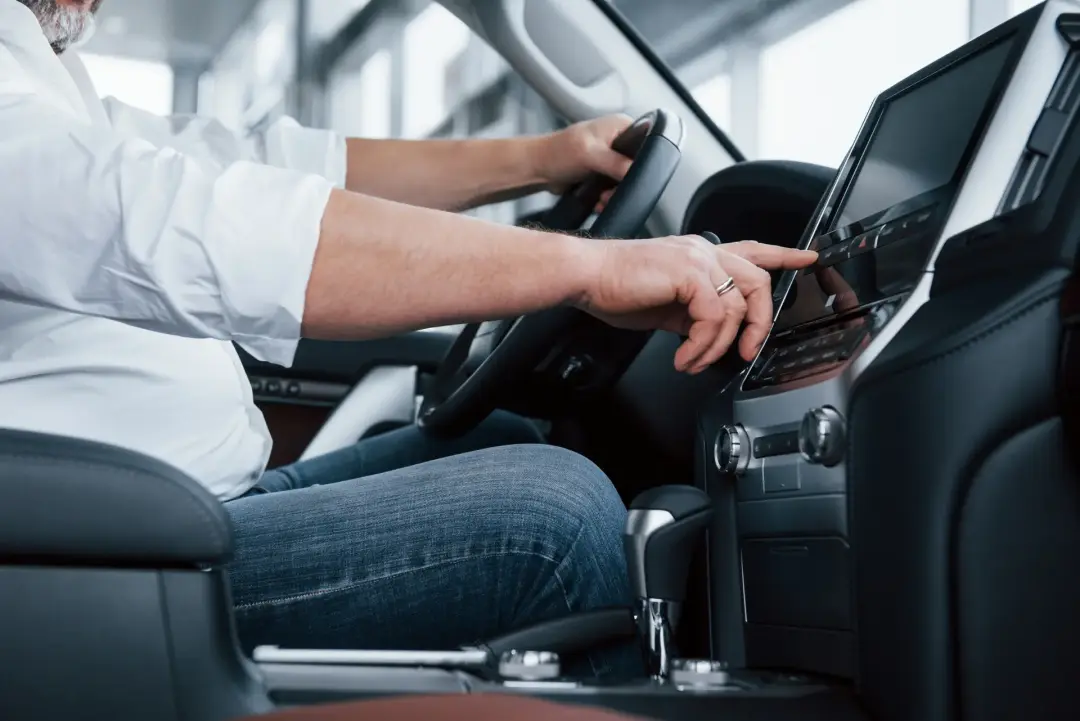
A road test should include gentle stops, normal traffic braking and a firmer controlled stop in a safe location. The instructor needs to understand how the pedal feels as the hybrid changes between regenerative and friction braking.
Repeat the inspection after the first group of lessons. New parts can settle, especially if brackets or trim have been disturbed. Any looseness, increased travel or new noise should be reported to the installer.
The vehicle should not return to teaching work until every concern has been checked and corrected.
How to Maintain Dual Controls in a Hybrid Car
Keep the pedal area clean and dry. Dirt can collect around brackets and joints, while water may encourage corrosion. Loose items should never be carried in the passenger footwell. A correctly shaped and secured floor mat is essential.
Examine visible fixings at regular intervals, but do not make unapproved adjustments. The correct amount of pedal movement depends on the system’s design. Tightening one section without understanding the whole linkage may prevent the brake from releasing or place a joint at the wrong angle.
Notice changes in sound and feel. Clicking, scraping, stiffness or additional pedal travel can indicate movement or wear. A hybrid may hide slight brake contact through its normal electronic operation, so physical pedal return should always be checked directly.
Arrange professional servicing at the interval recommended by the installer or control manufacturer. Busy instructor vehicles complete frequent stops, which means their control systems receive much heavier use than those in private cars.
It's best to keep a written record of checks, repairs and adjustments. This supports safe operation and may be required by the control guarantee. Warranty information from established suppliers makes continued cover dependent on correct maintenance and excludes general wear or misuse.
Can Dual Controls Be Removed or Transferred Later?
Interior panels and carpets should be restored neatly. Where the first installation required approved openings, the removal method should leave them secure and free from sharp edges. The owner may need evidence of professional removal when returning a leased or financed vehicle.
Transfer is only possible when the control is suitable for the next car. Vehicle-specific systems often cannot move between unrelated models because the brackets, angles and pedal connections are different. Even a newer version of the same hybrid may require another system.
Some adaptable controls are intended to be reusable, but fresh brackets, cables or other parts may still be needed. One UK supplier describes reusable systems that can be installed and removed without major technical changes, while another notes that many vehicle-specific UK systems are effectively tied to one model.
A control should be inspected for wear before transfer. Springs, joints, cables and fixings may have completed thousands of operations. Reusing worn parts can turn a reliable installation into an unsafe one.
Common Fitting Challenges With Hybrid Cars
One common challenge is limited access. Hybrid vehicles may place wiring, heating equipment, air ducts or control units behind the lower dashboard. This can leave little room for brackets and connecting parts.
Floor design can also cause difficulty. Raised sections, thick sound insulation and battery protection may prevent the use of standard mounting locations. The fitter must not drill or attach equipment until the structure and hidden parts are clearly identified.
Pedal design is another issue. Some brake pedals have unusual shapes, plastic sections or restricted space around their arms. The linkage needs a secure connection that does not damage the original pedal or change its normal movement.
The centre console may be wide or extend low into the footwells. A connecting rod cannot simply be forced through a narrow space. It must remain clear throughout its full movement and should not rub against trim.
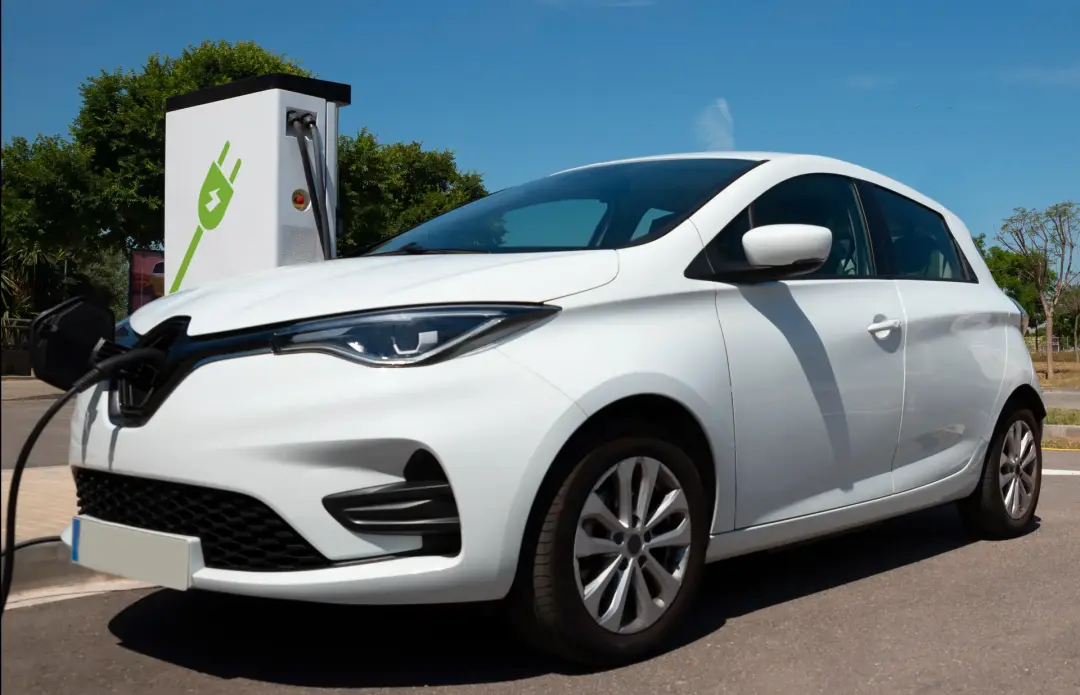
Regenerative braking can create a further testing challenge. The car may feel different depending on battery charge, speed or driving mode. The installer must ensure that the instructor’s pedal produces dependable braking rather than judging it from one light press while stationary.
Newer or less common models may not yet have a listed control system. An experienced fitter may be able to create an approved adapted solution, but this requires more planning and may increase cost.
These challenges do not automatically make a hybrid unsuitable. They show why the vehicle needs an individual assessment instead of a general promise based only on its make or power system.
With our dual control systems, you'll have the confidence to teach new drivers, knowing you can intervene instantly whenever necessary. Invest in your students' safety and your peace of mind. Find out more about Dual Control Installation in Birmingham, Oswestry, Melton, Mowbray, Gloucester and Buxton