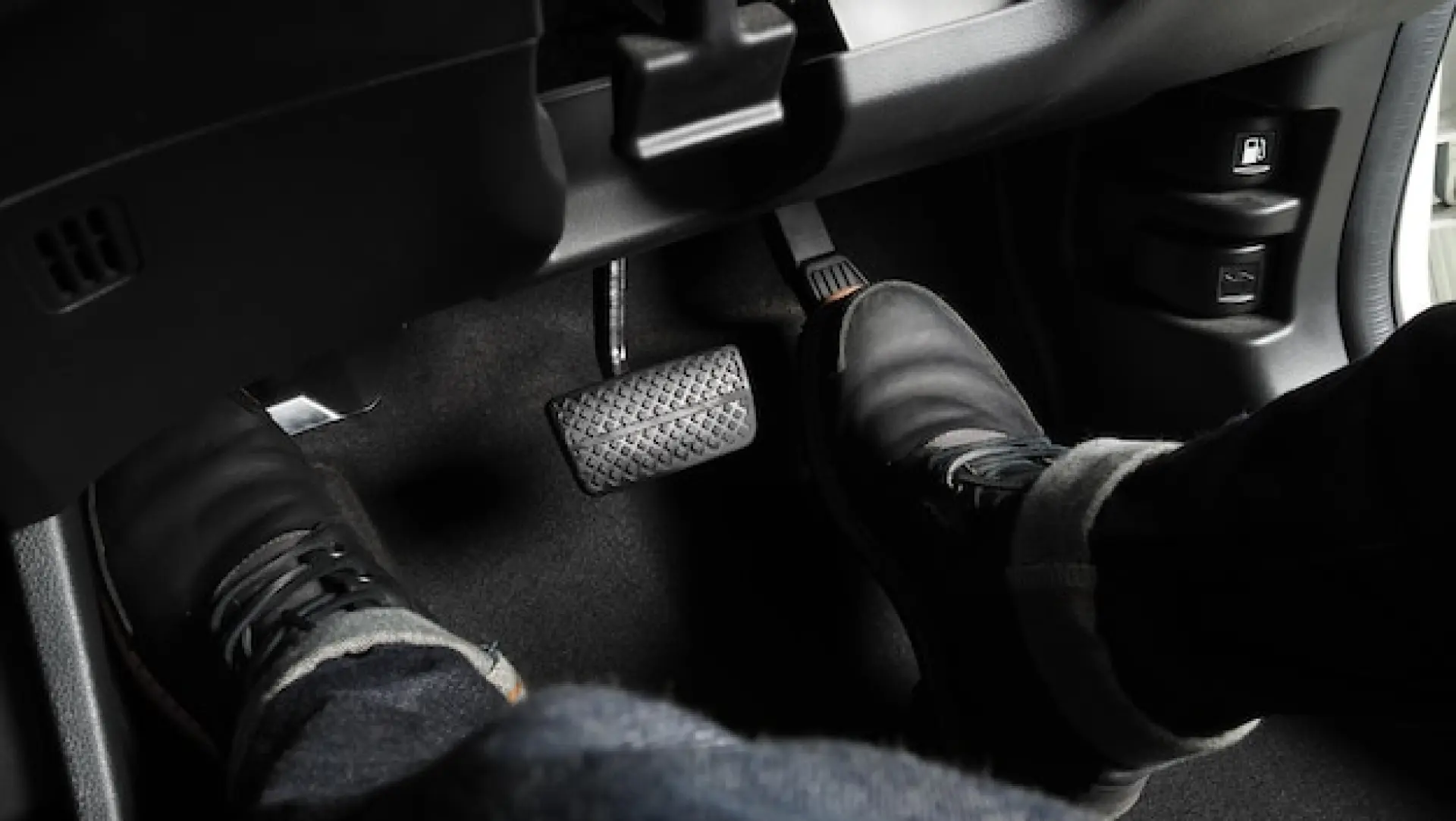

Can dual controls be fitted in any car? In many cases, the answer is yes, but it depends on the vehicle, the make and model, the space around the pedals, and how the dual control system will be installed. Most standard UK cars can be fitted with dual controls, especially if they are popular models used by driving instructors and driving schools.
A professional installer should always check the car before any work begins. This helps ensure the dual control system is suitable, safe, and fitted in a way that allows the instructor to take control when needed during driving lessons.
Which Vehicles Are Suitable for Dual Controls?
Most standard vehicles in the UK are suitable for dual control installation, especially popular models such as hatchbacks, small SUVs, and family saloons. The key factor determining suitability is usually the available space in the driver’s footwell, which must comfortably accommodate the extra pedals.
Cars commonly used by driving schools, such as the Ford Fiesta, Vauxhall Corsa, and Volkswagen Polo, are often ideal because they usually provide enough footwell space. These cars are also well known to installers, so the correct dual control system is often easier to source and fit.
Larger vehicles, including some vans and SUVs, may also be suitable, provided there is enough clearance around the pedals and dashboard area. However, some vehicles have unusual pedal positions, limited space, or design features that make installation more difficult. This is why a proper check is important before choosing a car for driving lessons.
For precise guidance, always speak to a professional installer who can inspect your vehicle and recommend the most suitable system based on its make and model.
Why the Make and Model Matter
The make and model of a car play a major role in whether dual controls can be fitted. Even if two vehicles look similar in size, the design of the footwell, pedals, dashboard, and floor area can be very different. Some cars have more room for the dual control pedals, while others have less space for safe installation.
A suitable dual control system needs to work smoothly with the original pedals. The instructor’s brake and clutch pedals must not block or interfere with the learner driver’s controls. If the pedals are too close together or the footwell is too narrow, the vehicle may not be suitable without special parts or extra work.
Driving instructors should also think about how comfortable the car will be for daily use. A car used by a driving school may be used for many hours each day, so comfort, safety, and easy pedal access are all important.

Differences Between Manual and Automatic Cars
It is important to recognise the differences when fitting dual controls to manual and automatic cars. In manual vehicles, dual controls usually include both brake and clutch pedals. This gives the instructor the ability to take control if the learner stalls, struggles with gear changes, or needs help stopping safely.
In automatic vehicles, the dual control system usually only includes a brake pedal because there is no clutch. This makes the installation simpler in many cases, but it is still very useful for safety. The instructor can use the brake to prevent a hazard, manage speed, or stop the car during driving lessons.
Both manual and automatic cars can be fitted with dual controls, but the correct control system must be chosen for the vehicle. A professional installer will check the transmission type, pedal layout, and available space before fitting the system.
Why Dual Controls Are Important for Safety
Safety is one of the main reasons driving instructors use dual controls. When a learner is still building confidence, they may react too slowly, press the wrong pedal, or fail to notice a hazard in time. Dual controls allow the instructor to take control quickly and help prevent an accident.
The instructor’s brake pedal is especially important. It gives the driving instructor a way to stop the car if the learner does not respond quickly enough. In a manual car, the clutch pedal can also help the instructor control the vehicle during low-speed driving, junctions, hill starts, and manoeuvres.
For driving schools, a properly fitted dual control system helps protect the learner, the instructor, other road users, and the vehicle itself. This is why installation should never be treated as a basic add-on. It is a safety feature that must be fitted and checked with care.
Things to Check Before Fitting Dual Controls
Before fitting dual controls, there are several important points to consider. First, ensure your vehicle is mechanically sound and has no faults that could affect safety during driving lessons. Regular servicing and maintenance are essential, especially if the car will be used daily by a driving instructor.
You should also check that there is enough space in the footwell and that the pedals can operate freely. The dual control pedals must not interfere with the original pedals, wiring, trim, or floor mats. Even a small obstruction can affect how the brake or clutch works.
Another important check is the vehicle warranty. Some manufacturers may have rules about modifications, and fitting dual controls could affect warranty coverage. It is wise to speak to the dealer or manufacturer before installation, especially if the car is new or still under warranty.
Finally, ensure the dual control system is suitable for your vehicle and is fitted by a trained professional. Poor installation can affect safety, comfort, and the long-term condition of the car.
Insurance and Legal Considerations
Before a car is used for driving lessons, you must make sure the insurance is correct. Standard private car insurance is not usually suitable for paid driving tuition. Driving instructors and driving schools need insurance that covers learner drivers, tuition use, and a vehicle fitted with dual controls.
You should tell your insurance provider that the car has been fitted with dual controls. This helps ensure the policy is accurate and that the vehicle is covered for its intended use. Failing to declare modifications may cause problems if a claim is made.
There is no rule that says every learner car must have dual controls, but most professional driving instructors use them because they provide an extra level of safety. If the car is being used by a driving school, the insurer may expect a dual control system to be installed.

Professional Installation Is Essential
Dual controls should always be fitted by an experienced installer. The installation must be secure, neat, and safe. The system needs to connect correctly to the original pedals and work reliably every time the vehicle is used.
A professional installer will know how to fit the correct system for the car’s make and model. They will also check that the pedals move freely, return properly, and do not affect the learner driver’s controls. After installation, the system should be tested before the car is used for driving lessons.
Some drivers may be tempted to use a cheap or poorly fitted system, but this can create serious safety risks. A dual control system must be strong enough for regular use and reliable enough for emergency situations.
Ongoing Maintenance After Installation
Once dual controls have been fitted, they should be checked regularly as part of the vehicle’s maintenance routine. The pedals should feel smooth, secure, and responsive. Any unusual movement, noise, stiffness, or delay should be checked by a professional before the car is used again for lessons.
Driving schools should include the dual control system in their regular vehicle checks. This is especially important because tuition cars are often used for long hours and may face more wear than a normal private car.
Keeping the system in good condition helps ensure the instructor can take control when needed. It also helps protect the car and supports a safer learning environment.
Are There Options for Electric or Hybrid Cars?
Electric and hybrid vehicles are becoming more common in the UK, so many driving instructors now want to know whether dual controls can be fitted to these modern cars. In many cases, they can. Dual control kits are available for many popular electric and hybrid models, although some vehicles may need a more specific installation due to their design.
Electric and hybrid cars can have different pedal layouts, floor designs, and internal systems. This means the installer must check the vehicle carefully before fitting dual controls. The system must be fitted without affecting the car’s safety, efficiency, or warranty.
Common electric and hybrid cars used for driving lessons, such as the Nissan Leaf, Toyota Prius, and Hyundai Ioniq, often have established dual control options. However, compatibility should always be confirmed before buying the vehicle for tuition use.
Can Dual Controls Be Removed Later?
One of the main advantages of dual controls is that they can usually be removed later. When the car is no longer used for learner driving, the dual control system can often be taken out so the vehicle can return close to its original condition.
Removal should always be carried out by a qualified professional. This helps avoid damage to the pedals, trim, wiring, or floor area. It also ensures the vehicle remains safe for normal use after the controls are removed.
It is helpful to discuss future removal when the dual controls are first fitted. Some systems and fittings may make removal simpler and cleaner at a later date.

Can Used Cars Be Fitted With Dual Controls?
Used cars can often be fitted with dual controls, provided they are in good condition and suitable for installation. Many driving instructors choose used vehicles because they can be more affordable than buying new. However, the car should be checked carefully before any dual control system is fitted.
The vehicle should have a sound braking system, good clutch operation if it is manual, and no major faults in the footwell area. Any signs of damage, loose trim, water leaks, or worn pedals should be dealt with before installation.
A used car can be a practical option for driving lessons, but it should still meet the same safety standards as a newer vehicle.
Can Dual Controls Fit in Any Car: Final Thoughts
Dual controls can be fitted in many cars, but not every vehicle is automatically suitable. The make and model, pedal layout, footwell space, transmission type, safety condition, insurance cover, and installation method all matter.
For driving instructors and driving schools, the safest approach is to have the car checked by a professional before fitting begins. A well-fitted dual control system helps the instructor take control when needed, supports safer driving lessons, and gives learners a better environment in which to build confidence.
With expertly installed dual controls, you can confidently provide driving tuition, knowing both instructor and learner driver safety is protected at all times. Find out more about Dual Control Fitting in Birmingham, Oswestry, Melton Mowbray, Gloucester, and Buxton.