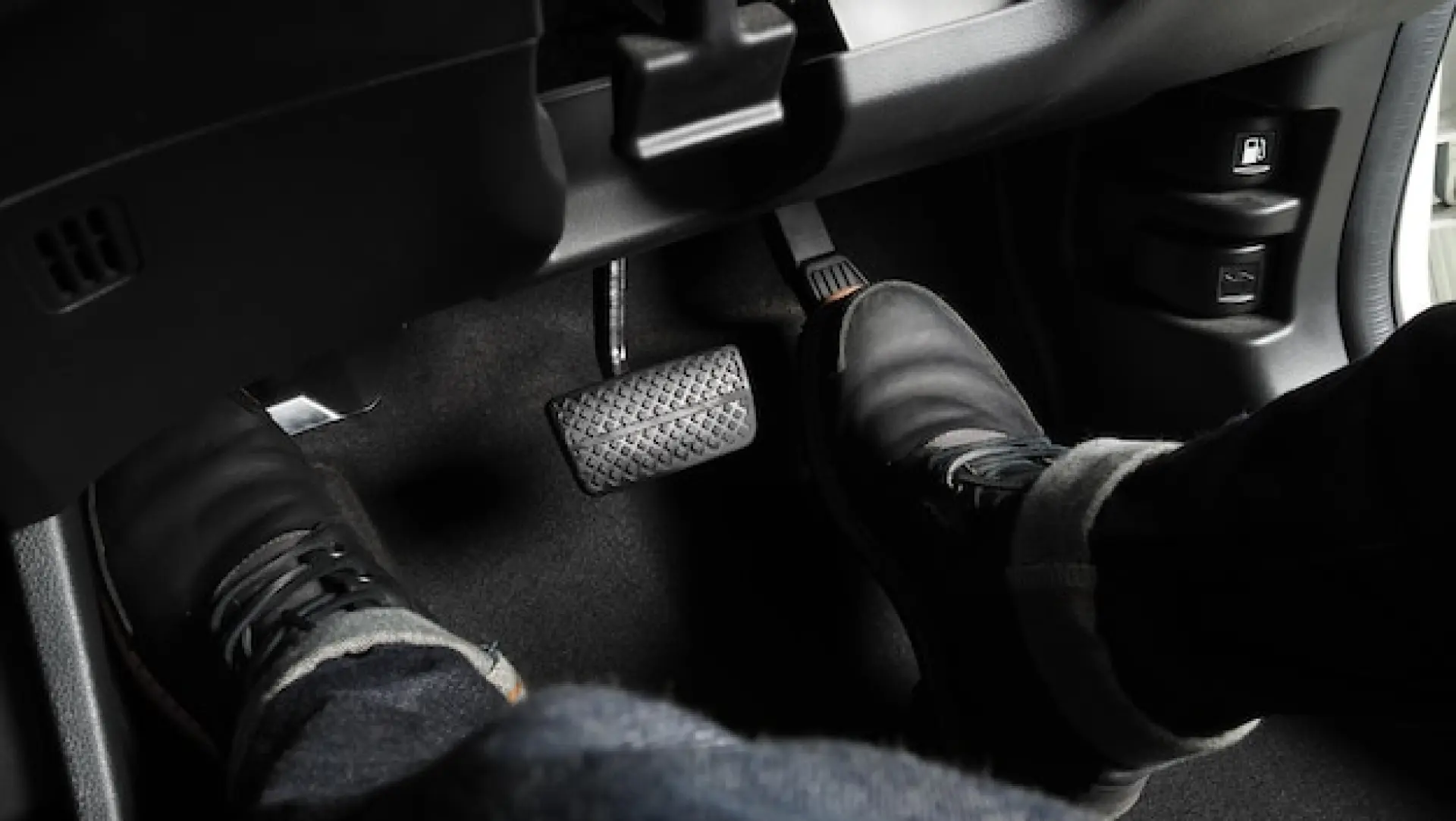
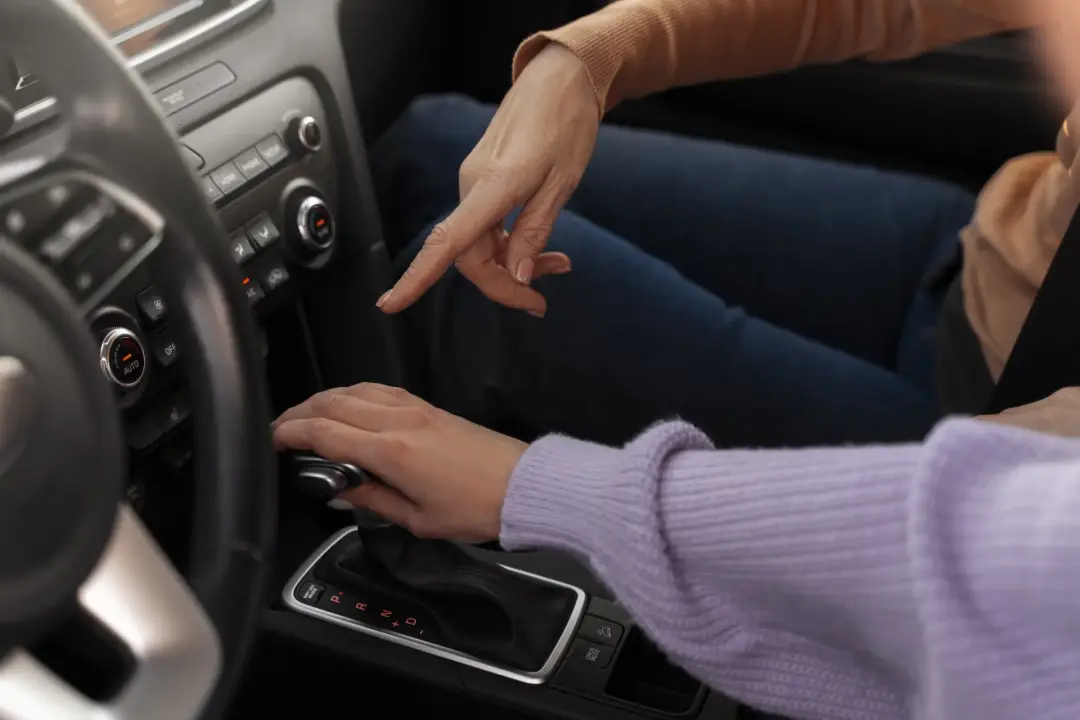
Want to know if dual controls can be fitted to an electric car? Get expert advice on installation options, safety considerations, and suitability for your electric vehicle.
Can Dual Controls Be Installed in an Electric Car?
Dual controls can be installed in many electric cars, although suitability must be confirmed for the exact make, model, year and version of the vehicle. It is not enough to check whether controls have been fitted to another car from the same manufacturer. Different versions may have different pedal units, floor shapes, battery positions or equipment behind the dashboard.
Most electric cars used for driving lessons are automatic.
They usually need an instructor brake rather than the brake, clutch and accelerator arrangement that may be found in a manual teaching car. This can make the visible system seem simple, but installation still requires detailed planning. The fitter must create a strong and direct connection between the instructor’s pedal and the vehicle’s original brake pedal without affecting normal movement.
Space is one of the main issues.
Electric cars often use the lower floor area for batteries, cables and protective covers. There may also be heating equipment, wiring, air ducts, sensors or control units near the front passenger footwell. A suitable fitting must avoid these parts and must not weaken any structural or protective section.
Several UK fitting services state that they can fit or adapt systems for many electric and hybrid cars when a ready-made kit is not listed. However, this does not mean every vehicle can be fitted safely. A physical inspection may be required before a firm answer is given.
How Dual Controls Work in Electric Vehicles
A dual control gives the instructor a separate pedal, usually a brake, on the passenger side. When the instructor presses it, a mechanical system transfers that movement to the car’s original brake pedal. The learner’s brake remains in place and continues to work in the normal way.
The connection may use rigid metal rods, carefully routed cables or another approved mechanical arrangement. The exact design depends on the vehicle and control system. The purpose is not to connect directly to the high-voltage battery or to rewrite the car’s braking software. Instead, the second pedal normally moves the existing driver’s pedal through a physical link.
Electric cars often use regenerative braking as well as ordinary friction brakes. Regenerative braking slows the car by using the electric motor to recover energy. However, the original brake pedal still acts as the driver’s main braking control. Pressing it tells the vehicle how much slowing is required. The car then manages the balance between regenerative braking and the conventional brakes.
Because the instructor’s pedal moves the original brake pedal, the vehicle should respond in the same general way as it would when the learner presses the brake. Warning lights, brake lights and electronic safety systems should continue to operate through the car’s original controls.
Read Related Articles:
Are Hybrid Cars Suitable for Dual Control Fitting?
How Dual Controls Work in an Automatic Car
Are Electric Car Dual Controls Different From Standard Dual Controls?
The basic purpose is the same in every teaching car: the instructor needs a dependable way to slow or stop the vehicle. The main differences arise from the electric car’s layout rather than from a completely different operating principle.
A standard vehicle-specific dual control is designed for a particular pedal unit, floor shape and dashboard structure. Electric cars may have less space around these areas because batteries, power cables, heating units and electronic modules must be protected. Their passenger footwells can also have raised or uneven sections that make the position of the instructor’s pedal more difficult to plan.
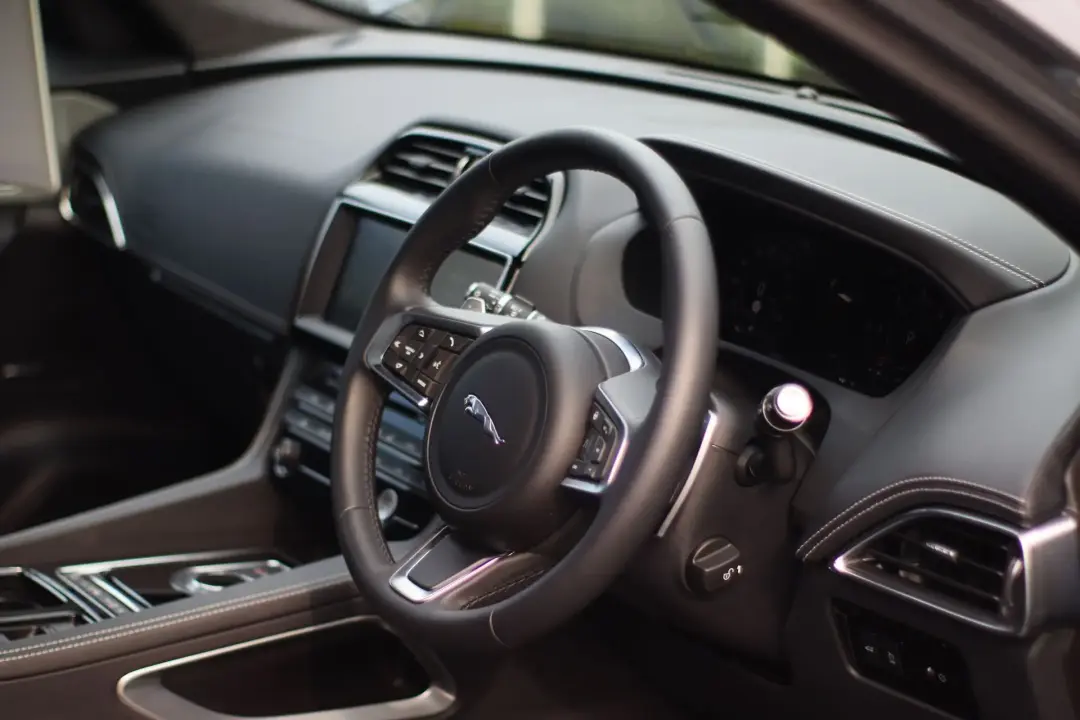
The braking feel may also be different. Many electric cars use blended braking, where the vehicle combines energy recovery with ordinary braking. Some offer strong regenerative braking when the accelerator is released. These features do not remove the need for an instructor brake. The instructor must still be able to produce predictable braking in traffic or an emergency.
The actual control may be a model-specific unit, an adapted approved system or a suitable general-purpose design. A model-specific product is often preferred because its brackets, rods and clearances have been designed around the exact vehicle.
He-Man states that its controls are designed for individual vehicle models, while specialist fitters may adapt suitable systems where a listed product is unavailable.
Which Electric Cars Are Suitable for Dual Control Fitting?
An electric car is more likely to be suitable when it has enough space around both front footwells, a pedal structure that can accept a reliable mechanical connection and a recognised fitting solution for that exact model. Cars already used widely by driving instructors may have a greater choice of tested control systems and experienced fitters.
Suitability should be checked using the vehicle’s full details.
These include the make, model, registration year, body style, driving position and exact version. A model may change partway through a year, so the registration date alone may not identify the correct pedal design. Photographs of the driver’s and passenger’s footwells may help, but an in-person inspection gives the fitter more certainty.
The fitter should check the position and movement of the brake pedal, the shape of the centre console, available mounting points and the space beneath floor coverings. They must also identify restricted areas containing high-voltage cables, battery protection, wiring, sensors or heating equipment.
A large passenger footwell does not automatically make a car suitable. The system needs strong mounting positions and enough room for the pedal and connecting parts to move without touching trim, footwear, mats or other equipment. The controls must also leave the passenger with reasonable space.
What Type of Dual Controls Does an Electric Car Need?
Most electric cars need a brake-only dual control because they do not have a manual clutch. The instructor receives a brake pedal in the front passenger footwell, connected mechanically to the vehicle’s original brake. An additional accelerator is generally not required for ordinary driving instruction and should only be considered for a clear, professionally assessed reason.
A model-specific system is usually the preferred option when one is available. It is designed around the car’s pedal layout, floor and available mounting points. This can reduce the need for alteration and make installation, testing and future servicing more straightforward.
Where a model-specific system is not available, a specialist may consider an approved adaptable or general-purpose control. This should not be confused with an unsuitable second-hand system chosen only because it appears to fit. The parts must provide the correct pedal movement, strength, clearances and return action.
The system should be designed for a right-hand-drive vehicle where appropriate. It should also have clear fitting instructions, traceable parts and suitable support from the supplier or installer. He-Man warns that its controls are designed for the vehicle stated on the order documents and that safety cannot be guaranteed when a control is installed in the wrong vehicle.
How the Installation Process Works
During fitting, the front footwell trim, lower dashboard panels or sections of carpet may be removed carefully. This allows the installer to inspect the available structure and plan a route between the instructor’s pedal and the original brake pedal. No work should begin until sensitive wiring, high-voltage parts, air ducts and control units have been identified.
A mounting frame or brackets are then secured in suitable positions. The instructor’s pedal is fitted so that it is comfortable to reach but unlikely to be pressed accidentally. Rods, cables or linking parts are routed across or around the lower cabin. They must not rub against sharp edges, catch on trim or interfere with the learner’s pedals.
The system is adjusted so that the instructor can apply useful braking without excessive pedal travel. At the same time, the learner’s pedal must retain its full normal movement. Return springs, joints, fixings and clearances are checked before the removed trim is refitted or altered neatly.
The installer then tests both pedals with the vehicle stationary and during a controlled road test where appropriate. Brake lights, dashboard warnings and normal braking behaviour must be checked. Installation guidance from established suppliers stresses that correct fitting is critical to control performance.
Why Specialist Fitting Is Important
Electric cars contain high-voltage equipment and closely packed electronic systems. Although the dual control itself is mainly mechanical, the installer works in areas where hidden cables, sensors, control units and safety equipment may be present. A mistake can damage the vehicle or create a serious braking risk.
A specialist knows how to identify the correct system and how to examine the vehicle before drilling, fixing or routing parts. They understand that a strong bracket is not enough on its own. The pedal must move smoothly through the correct range, the link must remain secure and the learner’s controls must not be restricted.
Poor fitting can lead to rattling, delayed braking, uneven pedal movement or failure of the pedal to return. A badly placed part may also catch a shoe, floor mat or loose object. Even a small amount of unwanted pressure on the original brake could cause heat, wear, reduced range or unexpected vehicle behaviour.
Specialist fitting also supports future maintenance. A trained installer should provide records showing what system was fitted, when it was installed and what checks are recommended. They should be able to adjust, repair or remove the controls later without guesswork.
Can Installation Affect the Vehicle Warranty?
Fitting dual controls does not automatically cancel the entire vehicle warranty. However, a manufacturer or warranty provider may refuse a claim when a fault has been caused by an alteration, incorrect fitting or damage linked to the installed equipment.
The risk depends on how the controls are fitted. Drilling into an unsuitable area, damaging wiring, altering a protected battery section or placing pressure on an original pedal component could create a problem. A claim involving that area might then be questioned. A separate and unrelated fault should not normally be treated in the same way, but the decision will depend on the warranty terms and the evidence available.
Before fitting, contact the vehicle manufacturer, supplying dealer or warranty provider in writing. Give them the exact car details and explain that a professionally installed mechanical instructor brake is planned. Ask whether there are restrictions, required fitting methods or approved installers. Keep the reply with the vehicle records.
The installer should also explain what their own guarantee covers. This is separate from the vehicle manufacturer’s warranty. It may cover the control unit and fitting work but not unrelated parts of the car. Some control guarantees apply only while the equipment remains in its first vehicle and is properly maintained.
Are Dual Controls Safe in Electric Cars?
Dual controls can be safe in electric cars when the correct equipment is chosen, fitted properly and checked regularly. Their purpose is to give the instructor a faster and more reliable response when the learner does not brake soon enough or presses the wrong control.
Safety depends on predictable movement. The instructor’s pedal must apply the vehicle’s original brake smoothly and must return fully when released. The learner’s pedal must remain free to move through its normal range. Neither pedal should feel rough, loose, delayed or unusually heavy.
The controls should not interfere with the electric car’s safety systems. Because the instructor’s pedal usually moves the original brake pedal, the car should continue to manage brake lights, regenerative braking, ordinary braking and electronic support through its normal processes. However, this must be confirmed through testing rather than assumed.
The fitting area also needs to remain clear. Floor mats must be correctly secured and must not reach the instructor’s pedal or connecting parts. Bags, charging cables and loose objects should never be placed where they could block pedal movement.
Before each working day, the instructor should press and release the dual brake while stationary and check that the original pedal moves and returns correctly. Any change in feel, sound or position should be investigated before lessons continue.
A professionally fitted system is an additional safety measure, not a replacement for observation and early instruction. The instructor should remain ready to give verbal guidance and take control before a situation becomes dangerous.
How Long Does Electric Car Dual Control Installation Take?
Many standard dual control installations take around two to three hours, although electric cars may take longer when access is restricted or the system needs careful adaptation. One UK fitting service states that installations generally take approximately two to three hours depending on the vehicle. Another specialist reports that many workshop jobs are completed in under two hours, but this should not be treated as a promise for every model.
The time required depends on whether a model-specific kit is available, how much trim must be removed, the shape of the floor and the number of items behind the dashboard. A familiar model with a recognised system may be completed relatively quickly. A newly released electric car may require more inspection, measurement and adjustment.
Additional time may also be needed if the vehicle has unusual passenger footwell equipment or if the fitter must create an approved adapted arrangement. Testing should never be shortened simply to meet a convenient collection time. The fitter needs enough time to check pedal travel, clearances, fixings, return movement and braking response.
The vehicle should be presented clean and free from personal belongings in both front footwells. Floor mats, loose charging cables and stored items can delay access. There should also be enough space to open both front doors fully.
How Much Does It Cost to Fit Dual Controls to an Electric Car?
As a broad UK guide, advertised prices for new systems supplied and fitted can begin at around £300 and may reach £500 or more. One fitting service lists new general-purpose systems from £400 and new model-specific systems from £500, including installation. Another advertises fitting alone from £150 when suitable controls are already available. These figures are examples rather than fixed market prices.
An electric car that needs an adapted system, additional parts or several hours of detailed work may cost more. Mobile fitting, travel distance and regional labour prices can also affect the quotation. A refurbished control may reduce the initial cost, but only when it is suitable for the exact vehicle and has been fully inspected.
The quotation should state whether it includes the control unit, brackets, fitting, adjustments, testing, tax, travel and any warranty. Ask if any later checks are included and whether removal will carry a separate charge.
What Checks Are Needed After Installation?
The first checks should take place before the vehicle leaves the installer. The instructor’s pedal must move smoothly, apply the original brake and return fully without help. The learner’s brake must also work normally, both alone and while the instructor’s system is being operated.
All fixings should be secure, and there should be no unwanted movement in the mounting frame. Rods or cables must remain clear of wiring, trim, heating parts and sharp edges. They should not touch the driver’s feet, restrict leg movement or catch the centre console.
The instructor should check the pedal position from a normal passenger seating position. It should be easy to reach in an emergency but should not sit where it can be pressed accidentally. The passenger seat may need to remain within a sensible adjustment range to ensure safe use.
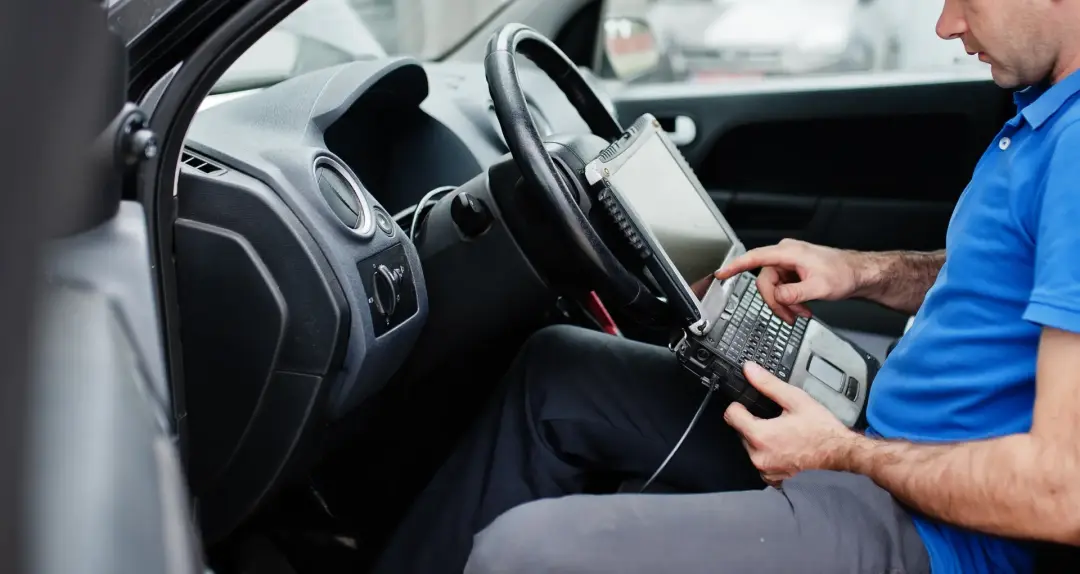
The car should be checked for warning lights or messages. Brake lights should operate correctly, and the vehicle should not show signs that the brake remains partly applied after either pedal is released. A controlled road test should confirm smooth low-speed braking and a firm response when greater braking is required.
After several lessons, inspect the system again. New parts can settle slightly, and a small adjustment may be required. Listen for new rattles, clicks or rubbing sounds. Check that carpets and mats have not moved into the operating area.
The installer should provide guidance on routine checks and a point of contact for adjustments. Any unusual change should be reported promptly rather than accepted as normal wear.
How to Maintain Dual Controls in an Electric Car
Keep both front footwells clean. Small stones, pens, charging adaptors and other loose objects can move beneath pedals. Floor mats must be secured and should never cover the instructor’s brake or touch the connecting mechanism. Do not store the car’s charging cable in the front passenger footwell.
Look regularly at visible fixings, joints and connecting parts. Report looseness, corrosion, damaged covers or unusual movement to the installer. Do not tighten or alter specialist parts without the correct instructions, as an incorrect adjustment can change pedal travel or prevent full release.
Pay attention to changes during use. A new squeak, knock, stiff movement or delayed response may indicate wear or movement within the system. The learner’s brake may also feel different when a fault is developing. Stop using the vehicle for instruction if there is any doubt about braking.
Follow the maintenance schedule supplied with the controls. Some installers offer regular or annual checks, and some guarantees depend on maintenance being completed as instructed. He-Man’s warranty information states that continued cover depends on the controls being maintained in line with the documents provided at installation.
Can Dual Controls Be Removed Later?
The process involves taking out the instructor’s pedal, connecting parts, brackets and any related fittings. The original brake pedal must then be checked to confirm that it moves freely and has not been damaged. Removed trim should be refitted correctly, and any approved openings should be finished in a safe and neat way.
The ease of removal depends on how the original installation was completed. A carefully planned system may leave only limited signs, while a poorly fitted system may have caused unnecessary cuts or holes. This is one reason to discuss future removal before the controls are installed.
Transfer to another electric car is not always possible. Vehicle-specific systems are designed for a particular model and may not match a different pedal unit or floor. Even two similar cars may require different brackets or connecting parts. General-purpose equipment may be more adaptable, but it still needs a fresh safety assessment.
How to Choose a Qualified Installer
Begin by looking for an installer with direct experience of dual controls and the exact type of electric car involved. General mechanical experience is useful, but it does not replace knowledge of instructor pedals, correct movement and electric vehicle layouts.
Ask which system the installer plans to use and whether it is model-specific, adapted or general-purpose. They should explain why it is suitable and identify any changes required inside the vehicle. Be cautious if the answer is based only on the make of the car without checking its model, year and version.
See whether the installer is approved or trained by the control manufacturer. Established suppliers maintain networks of approved fitters, and some extended guarantees apply only when an approved person completes the work.
Request a written quotation that includes parts, labour, travel, testing, tax and warranty terms. Ask how long the installation is expected to take and what happens if the fitter discovers that the vehicle is unsuitable after inspection.
A responsible installer should provide an invoice, fitting record and maintenance advice. They should also be available for later adjustment, servicing and removal. Ask whether they have fitted controls to the same electric model and whether they can explain any known access issues.
It's best to not rely only on the online ratings you see. Examine the installer’s product support, insurance, experience and willingness to answer detailed safety questions. The best choice is the person who can show that the proposed system is suitable, traceable and properly supported.
With our dual control systems, you'll have the confidence to teach new drivers, knowing you can intervene instantly whenever necessary. Invest in your students' safety and your peace of mind. Find out more about Dual Control Installation in Birmingham, Oswestry, Melton, Mowbray, Gloucester and Buxton