Explore how dual controls in an automatic car operate, including connection types and safety features, to improve instructor control and learner confidence.
How Do Automatic Car Dual Controls Work?
Automatic car dual controls normally work by linking a second passenger-side pedal to the vehicle’s original brake pedal. When the instructor presses the second pedal, rods, cables or another approved mechanical system move the driver’s pedal.
The car does not usually receive a separate braking command from the added pedal. Instead, the original brake pedal is physically operated. This allows the vehicle’s normal braking system, brake lights and electronic safety features to respond in the usual way.
The instructor’s pedal is mounted firmly in the front passenger footwell. Its position should allow quick use while the instructor is sitting normally. It should not be so high, low or far to one side that the instructor needs to move their body before braking.
A connecting system runs from the passenger side to the driver’s pedal. Its route depends on the car’s floor, centre console and dashboard structure. Every joint and bracket must remain clear when either pedal moves.
When the instructor releases the pedal, springs and the car’s original pedal return system bring both pedals back to their resting positions. Full return is essential because even light continued pressure can cause brake wear or unwanted slowing.
Which Pedals Are Included in an Automatic Dual Control System?
Some systems can include an instructor accelerator, but this is not normally required for standard driving lessons. The instructor’s most important physical intervention is usually the ability to reduce speed or stop. Adding an accelerator can take up more footwell space and create another control that must be fitted, maintained and protected against accidental use.
The control assembly usually contains more than the visible pedal. It may include a mounting frame, brackets, rods or cables, joints, springs, clamps and protective parts. Each component contributes to safe movement. A strong pedal is of little use if its bracket flexes or its connection angle prevents full braking.
The driver’s original brake and accelerator remain unchanged in their general purpose. The learner continues to use both controls normally. The instructor brake should not reduce the space available to the learner or interfere with the accelerator.
Some automatic systems are model-specific, while others are designed to adapt to a range of vehicles. Vehicle-specific systems are produced around the exact floor and pedal design. General-purpose systems need careful assessment and adjustment by an experienced fitter.
Why Do Automatic Cars Usually Need a Brake-Only Dual Control?
The main reason is that an automatic car has no clutch pedal for the learner or instructor to operate. The transmission manages gear changes and engagement, so the instructor’s most important additional control is the brake.
During a lesson, the most urgent risks usually involve excessive speed, late braking, missed hazards or accidental accelerator use. In each case, pressing the instructor brake can reduce the danger. The ability to stop the car gives the instructor time to explain what happened and help the learner recover safely.
A second accelerator is rarely necessary. The instructor can usually ask the learner to apply more power or can allow the vehicle to slow. Giving the instructor an accelerator may be useful in certain adapted vehicles or specialist training situations, but it is not normally required in an ordinary automatic tuition car.
A brake-only system also leaves more usable passenger footwell space. The instructor can sit comfortably without having to avoid several pedals. Fewer moving parts may make inspection and maintenance more straightforward.
This does not mean that every brake-only system is simple to fit. The control still needs a strong mounting structure, a reliable connection and correct adjustment. It must apply enough movement to the original pedal while allowing both pedals to return.
The final decision should be based on how the vehicle will be used. For common learner instruction in an automatic car, a professionally fitted second brake normally provides the necessary level of instructor control without adding equipment that has no regular purpose.
How Does the Instructor’s Brake Pedal Connect to the Car?
A rodded system uses shaped metal rods, arms and joints to transfer movement across the vehicle. The rods need a clear route and must remain correctly aligned. Their brackets must resist bending when the instructor presses firmly.
A cable system transfers movement through a strong flexible cable. This can help where a straight rod route is not available, but the cable must be supported and routed correctly. It should not bend too sharply, rub against an edge or become exposed to heat or moving parts.
Some systems combine different forms of connection. Regardless of design, the link usually attaches to a suitable point on the original brake pedal or pedal arm. This attachment must be secure and must not weaken the original part.
The amount of movement is carefully adjusted. Too much free play could delay the braking response. Too little could hold the original pedal partly down. The relationship between the instructor pedal and driver pedal must therefore be tested through their full range.
What Happens When the Instructor Uses the Dual Brake?
When the instructor presses the dual brake, the connecting system moves the car’s original brake pedal. The vehicle then begins its normal braking process.
In a conventional automatic car, the brake pedal operates the hydraulic brakes with support from the vehicle’s normal assistance and safety systems. In an electric or hybrid automatic, the vehicle may combine regenerative braking with friction braking. In both cases, the added control generally works through the original pedal.
The brake lights should come on because the car detects the movement or pressure through its standard system. Electronic features that support controlled braking should remain active, provided the vehicle is operating normally.
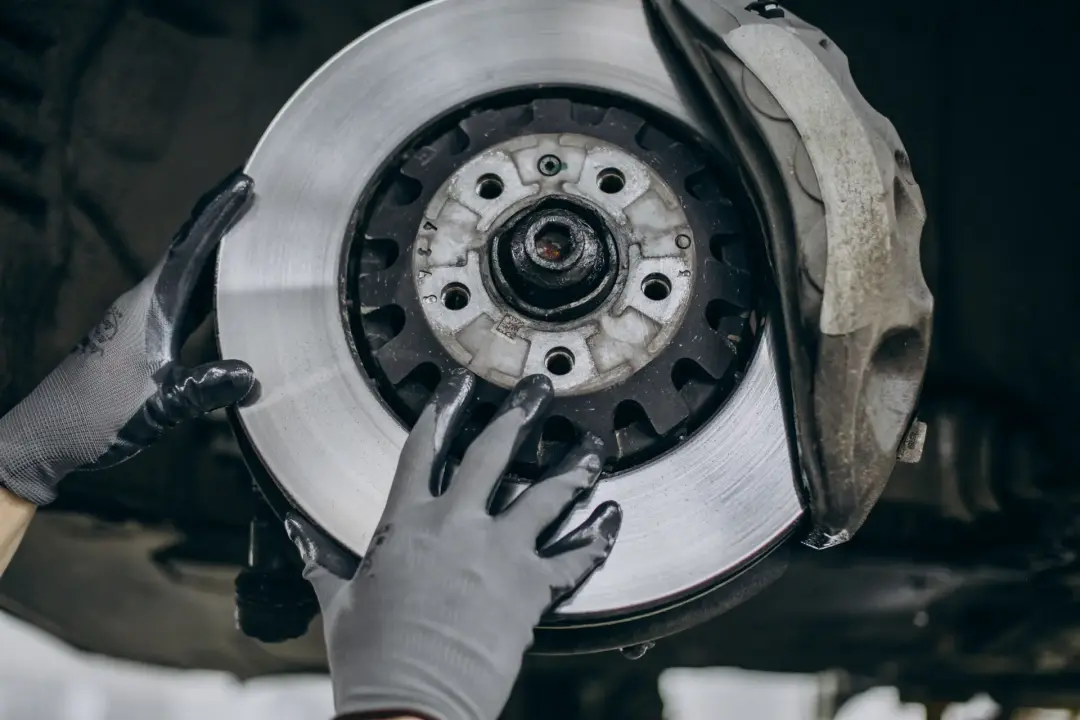
The instructor may apply light pressure to reduce speed gently or press more firmly when an immediate stop is needed. The system should give a clear response without requiring an excessive amount of movement.
The learner will usually feel or see their original pedal move. This can help them understand that the instructor has intervened. After the situation is safe, the instructor can explain why the brake was used.
When the passenger pedal is released, both pedals should return to their resting positions. The brakes should then release fully. A pedal that stays partly down can cause the car to feel slow, produce heat or display a warning.
Can the Learner and Instructor Use the Brakes at the Same Time?
A correctly designed system allows both the learner and instructor to apply the brake at the same time. Their pedals are connected to the same original braking control, so the car should receive the braking input without the linkage jamming.
For example, a learner may begin braking too gently while the instructor presses the dual brake more firmly. The instructor’s additional movement should increase braking as needed. The learner may feel the original pedal move further beneath their foot.
The pedals should not fight against each other. The system needs enough suitable movement and correctly positioned joints to allow the strongest required input to reach the original brake. This is one of the reasons why adjustment is an important part of installation.
The instructor must still use care. A sudden hard intervention can surprise the learner, particularly if their foot is already pressing the pedal. However, safety takes priority when an immediate stop is needed.
During an ordinary lesson, the instructor should explain how the dual brake may feel. This helps prevent confusion if the learner notices the pedal moving. It also makes clear that the learner should not resist the movement or try to force the pedal in the opposite direction.
Are Dual Controls Safe in Automatic Cars?
The control must remain secure under firm pressure. The instructor may need to brake much harder in an emergency than during a routine test. Brackets, joints and connections must be able to handle this force without bending or detaching.
Pedal movement must also remain clear. Mats, footwear, trim and loose objects must not block either side. Both pedals should return fully after every use.
The driving instructor should perform a stationary check before starting lessons. This takes only a short time and can reveal stiffness, additional travel or an unusual sound. Frequent professional checks are also important because instructor vehicles receive heavy daily use.
The added brake should not be treated as permission to delay intervention. A skilled instructor watches the road, gives clear directions and acts early. Braking at the last possible moment can still create a frightening or dangerous situation.
Manufacturers and fitting services stress that correct installation is critical to performance. A quality product cannot provide safe results when it has been installed incorrectly.
Which Automatic Cars Are Suitable for Dual Controls?
Popular tuition cars often have ready-made systems. This can make fitting easier and may provide clearer instructions and replacement parts. Less common vehicles may still be suitable through an approved adaptable control.
The shape of the passenger footwell matters. A wide area may offer good pedal space, but hidden wiring or heating equipment can restrict mounting choices. The centre console may also block a direct link between the passenger and driver sides.
The driver’s pedal arrangement must allow the control to attach securely without affecting the accelerator. The learner needs full, comfortable use of both original pedals.

Vehicle updates can change suitability. A manufacturer may keep the same model name while altering the dashboard, floor or pedal assembly. Always give the fitter the registration details and full version information rather than assuming that a system from an older car will fit.
Right-hand-drive and left-hand-drive versions often need different parts. Controls should be ordered for the correct driving position.
Manufacturers provide search tools for identifying available model-specific products, while specialist installers may assess cars without a listed kit.
How Are Dual Controls Fitted to an Automatic Car?
Fitting begins with checking the vehicle and control system. The installer confirms that the parts match the car and examines both front footwells for safe fixing and routing areas.
Lower trim panels and sections of carpet may be removed. This gives access to structural points and allows the installer to avoid wiring, ducts and other equipment. The interior should be protected against damage during the work.
A mounting frame is secured in the passenger footwell, and the instructor’s brake pedal is attached. Its position is checked with the passenger seat set for normal instruction. The pedal must be within easy reach but clear enough to reduce accidental use.
The linkage is routed to the original brake. Depending on the system, this may involve rods, cables, arms and joints. Every part must move freely without contacting the accelerator, trim or the learner’s feet.
The connection is attached to the original brake pedal or pedal arm at the approved point. The installer then adjusts free movement and travel. Both pedals are pressed many times to check smooth operation and full return.
Trim is refitted or neatly adjusted around the new parts. The fitter checks the brake lights and dashboard for warning messages. A controlled road test confirms that braking is smooth and effective. Many installations tend to take around two to three hours to complete, although the exact time depends on access and vehicle design.
Why Is Professional Installation Important?
A professional fitter can identify the right control for the exact car. They understand how the position of a joint changes pedal movement and how to secure a bracket without damaging hidden vehicle parts.
They also know how to preserve the normal operation of the learner’s pedals. The instructor brake must not restrict the original brake, touch the accelerator or prevent either control from returning. Professional work includes more than the physical installation. The fitter should test both pedals independently and together, check the brake lights and complete a controlled road test. They should also inspect the installation after the trim has been replaced.
An experienced installer can provide support when the system needs adjustment, repair or removal. They should have access to replacement parts and current fitting information. The control’s guarantee may depend on who fits it. He-Man states that its extended lifetime guarantee is provided for new controls fitted by the company or an approved installer and maintained as directed.
A written invoice and fitting record may also help with insurance, resale and warranty questions. Before booking, ask about training, approval, experience with the model and aftercare.
With our dual control systems, you'll have the confidence to teach new drivers, knowing you can intervene instantly whenever necessary. Invest in your students' safety and your peace of mind. Find out more about Dual Control Installation in Birmingham, Oswestry, Melton, Mowbray, Gloucester and Buxton