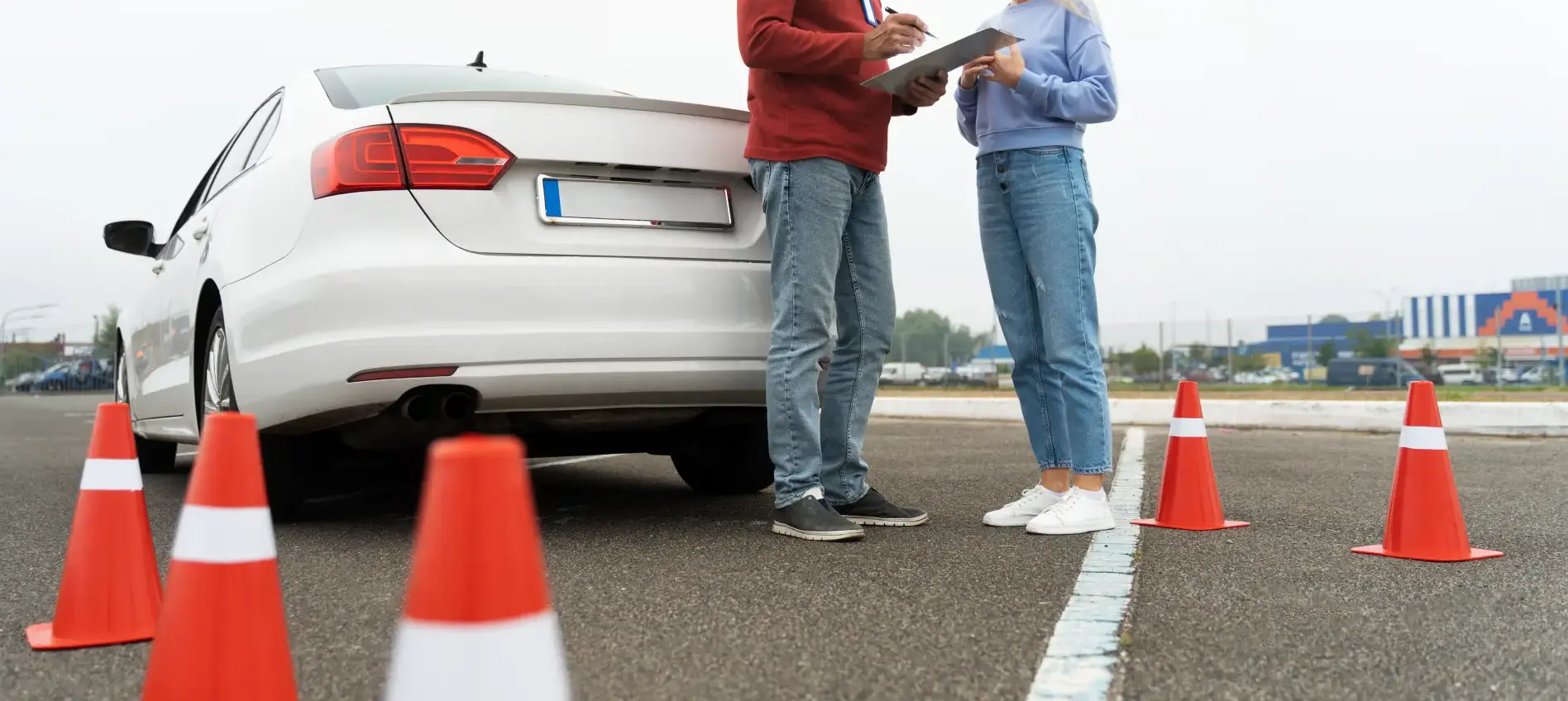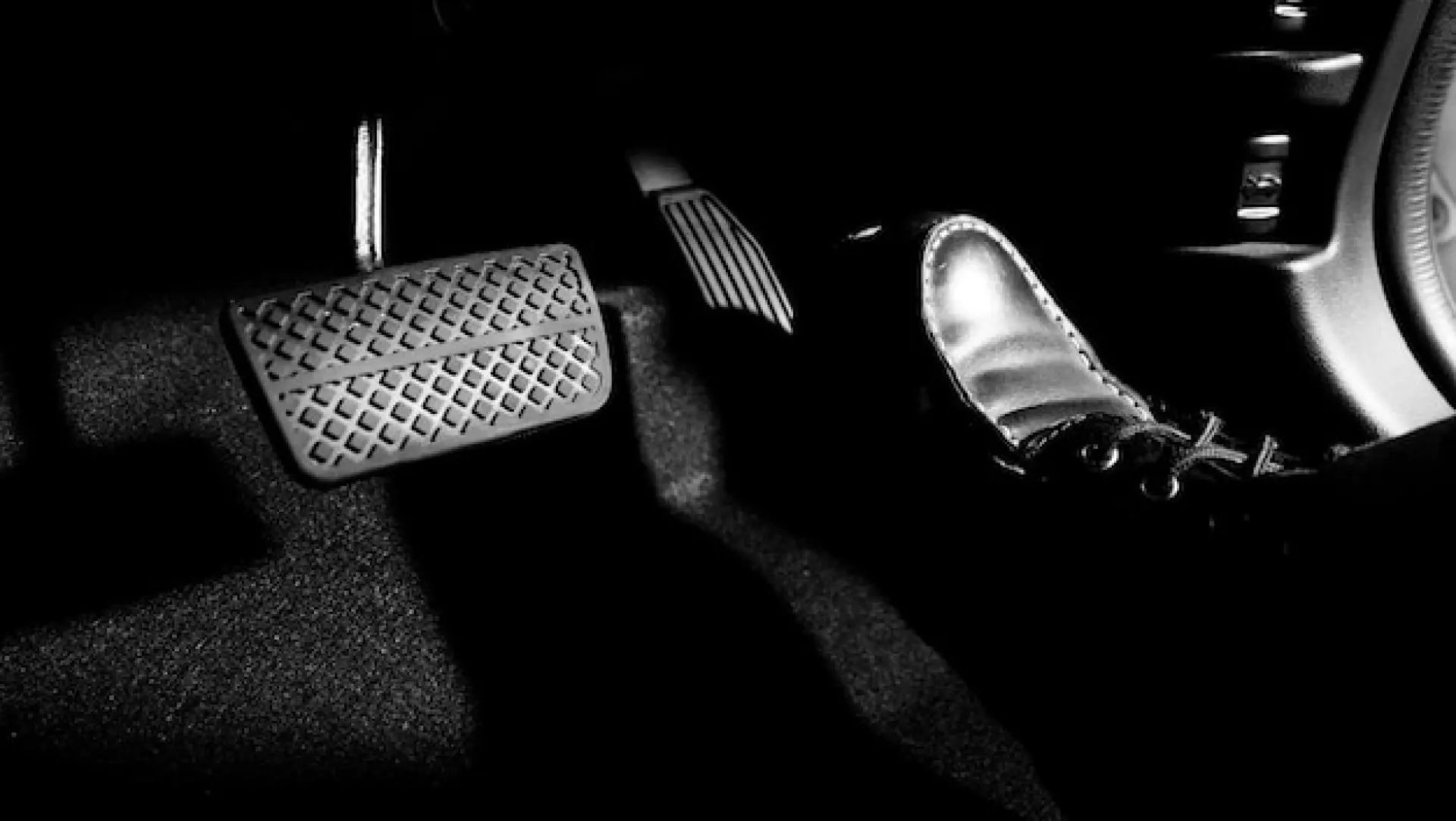

Dual controls are extra pedals fitted to a driving school car so the instructor can help the learner stay safe. They sit alongside the standard pedals and give the instructor a way to brake or control the car if something goes wrong.
This simple idea has a big meaning for learner drivers, as it can prevent accidents and build confidence during driving lessons. When you first get behind the wheel, there is a lot to think about: the road, mirrors, signals and the pedals.
Knowing that your driving instructor has their own set of pedals on the passenger side can make the whole learning experience less stressful. Dual controls are designed to provide a safe space for learners to make mistakes and learn from them without putting other vehicles or road users at risk.
Why Are Dual Controls Used in Driving Lessons?
Dual controls are used mainly for safety. During the first few hours of lessons, learners may be nervous, slow to react or unsure of how hard to press the brake or clutch. A dual control car lets the instructor step in quickly if a student misjudges a situation, such as:
- Failing to slow down in time when traffic stops ahead
- Pressing the accelerator instead of the brake
- Rolling back on a hill in a manual car when finding the biting point
In these moments, the instructor can press their own brake pedal, and in some models use their clutch pedal too. This helps to keep the vehicle under control and prevents collisions.
Dual controls also reduce pressure on learners. Knowing that the instructor can help at any time allows learners to focus on their technique rather than worrying about “what if I get it wrong?”. Over time, this support helps build the learner’s confidence, making it easier to progress towards independent driving.
For driving instructors, dual control cars are an essential part of their work. They allow instructors to provide calm, clear guidance, while still being able to act if the student does not react quickly enough. This balance of freedom and control is key to safe and effective training.
There are two main ways this can work:
- Mechanical linkages, using rods or cables
- Electronic systems, using sensors and actuators
In a mechanical system, pressing the instructor’s pedal pulls or pushes a rod that moves the main pedal. In an electronic system, sensors detect the instructor’s input and send a signal to control the braking system. Both designs aim to provide smooth, reliable control without affecting normal driving when the instructor is not touching the pedals.
Importantly, dual controls are designed so that the learner has full control of the car most of the time. The driving instructor only uses their pedals when needed. This ensures the learner still gains real driving experience while having a safety net in place.
Some advanced dual control setups may also link to other systems, such as an electronic parking brake or a handbrake override. These features give instructors even more control in high-risk situations, such as emergency stops or steep hills.
Types of Dual Control Systems
There are two main types of dual control systems used in cars for learner drivers:
Mechanical Dual Controls:
Mechanical systems are common in many training vehicles because of their simplicity and reliability. They usually involve a physical connection between the instructor’s pedals and the driver’s pedals. When the instructor presses a pedal, the movement is transferred directly through rods or cables.
Many driving instructors like mechanical dual controls because they can feel exactly how hard the learner is pressing the pedals. This feedback helps them judge when to step in and how much pressure to apply.
Electronic Dual Controls:
Electronic dual control systems are more common in modern cars, including some hybrid and electric models. These vehicles may not use traditional pedal linkages, so electronic systems are installed instead. Sensors detect when the instructor presses their pedal and send a signal to control the brake system.
In some vehicles, electronic dual controls can be integrated with existing safety features, such as anti-lock braking and electronic stability control. This can provide very smooth braking and help maintain stability, especially in difficult road conditions.
Both mechanical and electronic systems are designed with safety in mind. The choice often depends on the make and model of the car, the type of transmission and the preference of the driving school.
Can Dual Controls Be Fitted to Any Car?
Dual controls can be fitted to most cars, but not every model is suitable. Compatibility depends on the design of the vehicle, the layout of the pedals and the type of transmission.

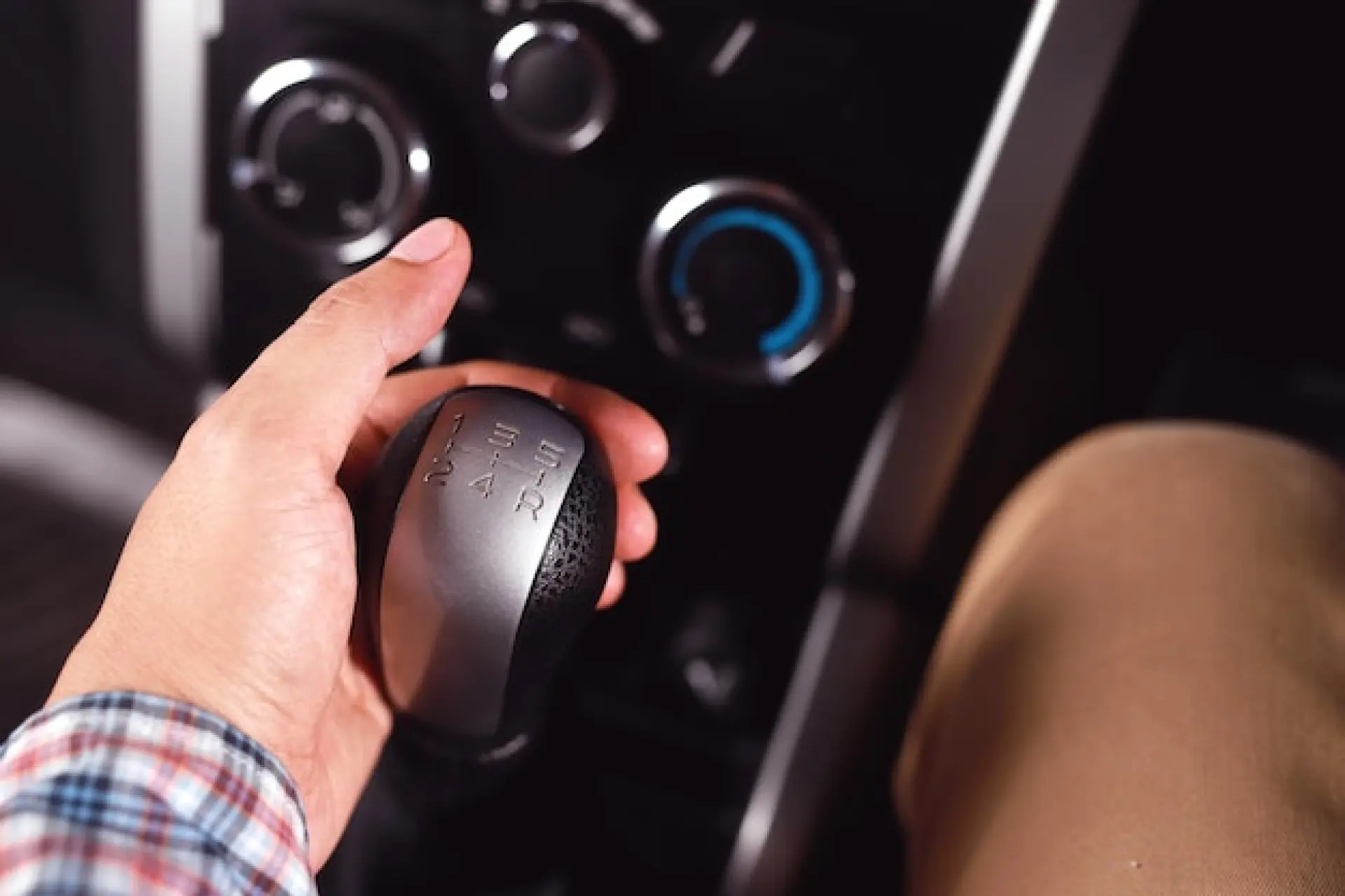
In manual cars, dual controls often include both brake and clutch pedals on the passenger side. This allows the instructor to help the learner control speed and gear changes. In automatic vehicles, there is usually only a brake pedal for the instructor, as there is no clutch to operate.
Some cars are designed with driver training in mind, making it easier for specialist engineers to install dual controls. In other cars, especially some high-end or very compact models, there may be less space for extra pedals, or the pedal assembly may be more complex. In these vehicles, fitting dual controls can be more challenging or, in some cases, not possible at all.
Electric and hybrid vehicles can also present extra challenges. Many of these cars use electronic throttle systems and different braking setups. In such cases, specially designed electronic dual controls may be required to work safely with the vehicle’s systems.
Because of these differences, it is important to use a professional installer who understands the car’s design. Proper installation helps ensure the system works correctly and does not interfere with airbags, wiring or other safety features.
How Are Dual Controls Installed?
Dual controls are not a simple “DIY” job. They must be installed by trained technicians who understand both the vehicle and the dual control system.
The process usually involves:
- Securing the extra pedals on the passenger side
- Linking them to the main pedals through rods, cables or electronic connections
- Adjusting the position so that the driving instructor can reach them comfortably
- Testing the system to ensure it operates smoothly and safely
In many dual control cars, the system is designed so it can be removed later if the vehicle is sold or no longer used for teaching. The pedals are often mounted using brackets rather than permanent changes to the body of the car. This makes it easier to return the vehicle to standard use, which can help with resale value.
Good installation is vital for reliability. Poorly fitted systems might move, stick or fail at a critical moment, making the vehicle unsafe. For this reason, it is important to find a reputable specialist who is familiar with the make and model of the car you want to use.
The Role of Dual Controls in Learner Driver Safety
Dual controls play a major role in keeping learner drivers safe while they gain real road experience. They allow instructors to act immediately if the learner makes a serious mistake or does not respond in time.
For example, if a student is approaching a junction too quickly, the instructor can press the brake to slow the car. If the learner stalls in a dangerous position in a manual car, the instructor can use the clutch and brake pedals to regain control and move the vehicle to a safer place.
This instant backup helps to:
- Reduce the number of accidents during training
- Lower the risk of injury to the learner, the instructor and other passengers
- Protect other road users and nearby vehicles
Dual controls also support a gradual change from guided to independent driving. At the start, instructors may need to use their pedals more often. As the learner improves, the instructor can step in less, allowing the student to manage more situations alone. This approach helps the learner gain confidence and a better understanding of how a car responds in different conditions.
Benefits for Learners and Instructors
Benefits for Learners:
For learners, dual controls provide a safer and more relaxed environment. Knowing there is a second set of pedals within reach of the instructor means the learner can focus on:
- Steering and keeping the car steady on the road
- Judging speed and distance from other vehicles
- Learning smooth use of the brake and clutch in a manual car
This support can shorten the time it takes for a learner to feel comfortable in traffic, as they are not constantly afraid of making a serious error. The learning experience becomes more about building skills and less about fear of what might go wrong.
Benefits for Instructors:
For driving instructors, dual controls are not just helpful, they are essential. They allow instructors to:
- Provide clear guidance while knowing they can act if needed
- Take responsibility for the safety of the vehicle and its passengers
- Offer driving lessons in a controlled, professional way
Dual controls also help instructors manage different types of students, from very nervous learners to more confident drivers who still need support in complex situations, such as roundabouts or busy city centres. The system is designed to support both teaching and safety at the same time.
Choosing a Dual Control Car
If you are a driving instructor or a school looking to set up or expand your fleet, choosing the right dual control car is an important decision. You will need to think about:
- The type of transmission you want to teach in, manual or automatic
- The models of car that are approved or recommended for dual control systems
- The comfort of the driving position for both the student and the instructor
- The reliability of the vehicle, as it may be used for many hours each week
Many instructors look for cars that are easy to drive, with good visibility and simple controls. They also often choose models that are known for reliability, as dual control cars can cover a lot of miles over their working life.
It can also help to check with your chosen dual control supplier which cars they support and how their systems are designed to be installed. Some suppliers provide complete packages, including the car, the dual control system and fitting.
Legal and Insurance Considerations
While dual controls provide an extra level of safety, they do not replace the need for proper insurance and legal checks. In most areas, a dual control car used for paid lessons must:
- Be properly insured for use by learner drivers
- Meet road safety and MOT standards, like any other vehicle
- Be equipped with all required safety features, such as seatbelts and, where fitted, airbags
- Learners also still need to hold a valid provisional licence before taking lessons on public roads.
Insurance providers may ask whether the car is fitted with dual controls. In many cases, having dual controls can be viewed as a positive safety feature, as they reduce the chances of an accident while a student is driving.
Maintenance and Reliability of Dual Controls
Like any part of a vehicle, dual controls need regular checks and maintenance to remain safe. This includes:
- Making sure the pedals move smoothly and do not stick
- Checking that the linkages or electronic systems respond correctly
- Ensuring that nothing under the dashboard is loose or obstructed
Many instructors ask their installer for guidance on how often to have the dual control system inspected. Regular checks and servicing help maintain reliability and reduce the risk of problems during a lesson.
If the car develops a fault, such as a stiff pedal or a strange noise when the instructor uses their controls, it is important to stop using the vehicle for teaching until the issue has been inspected and repaired. Safety should always come first.
What Learners Need to Know about Dual Controls
Learners do not need to be experts in how dual controls are installed, but there are a few key points they should understand:
- The instructor has a second set of pedals on the passenger side
- These pedals are there to keep everyone safe, not to take over the whole time
- The instructor will only use the pedals when necessary, such as in an emergency or serious mistake
- The aim is still for the learner to drive the car themselves and gain real experience
Your driving instructor may explain how their dual control car works at the start of your first lesson. This simple talk can help reduce nerves and make the student feel more at ease.
Understanding that dual controls are there as a safety net, rather than a way to interfere constantly, helps learners trust the process and focus on learning the skills they need to become safe, independent drivers.
Dual controls are a vital part of modern driver training. By providing a second set of pedals on the passenger side, they allow driving instructors to protect their students, other passengers and other vehicles on the road. Properly designed, installed and maintained, dual control systems make driving lessons safer and more effective, giving learner drivers the confidence they need to progress towards driving on their own.
With our dual control systems, you'll have the confidence to teach new drivers, knowing you can intervene instantly when necessary. Invest in your students' safety and your peace of mind. Find out more about Dual Control Installation in Birmingham, Oswestry, Melton, Mowbray, Gloucester and Buxton